Vinland
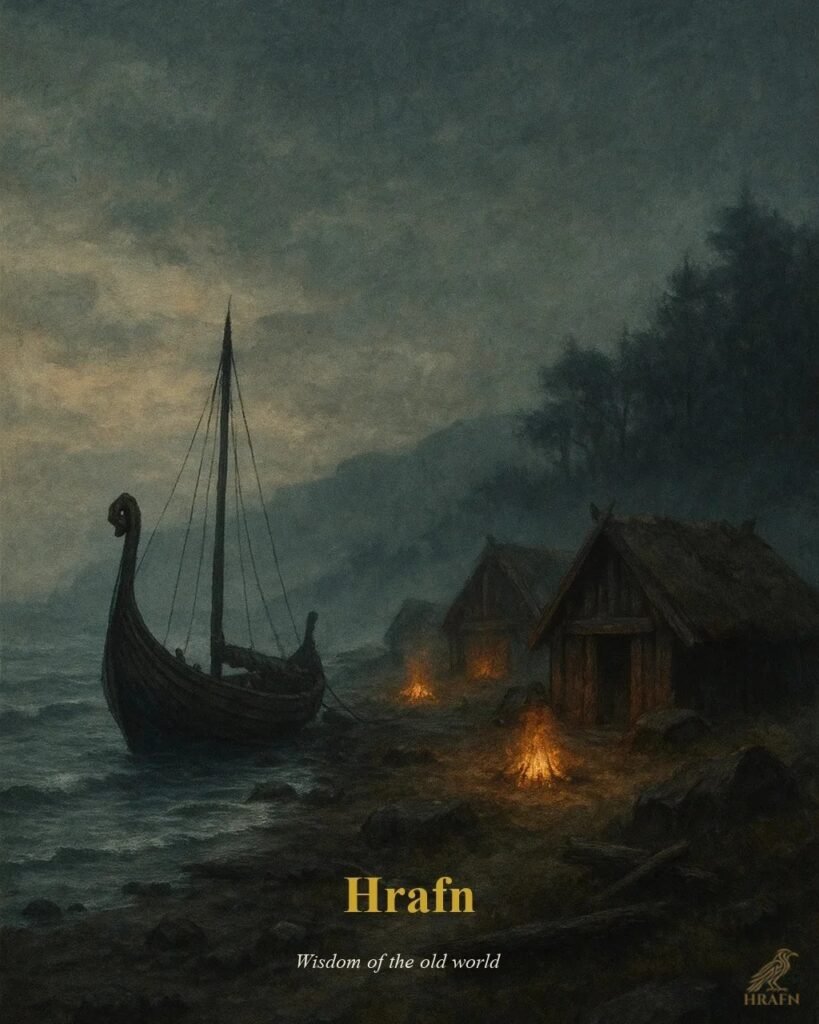
Imagine: five hundred years before Columbus, a European sets foot on American soil. Then the world nearly forgets this deed. That’s exactly what happened with Vinland.
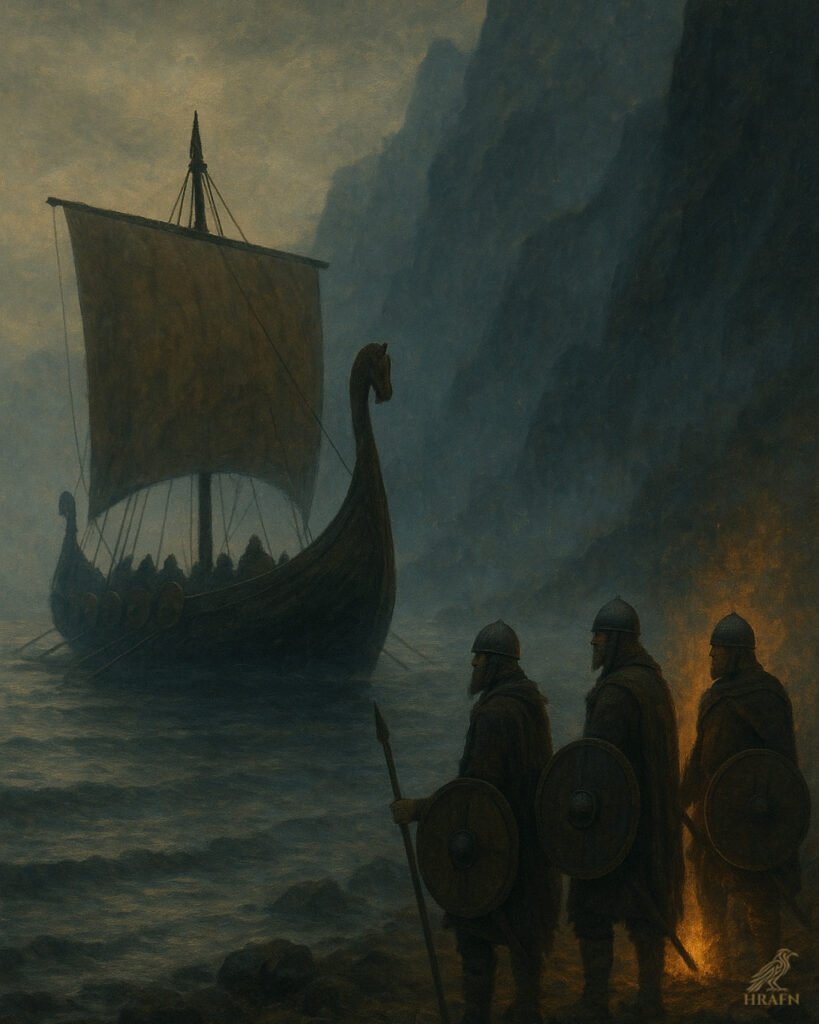
Two sagas tell the story: the Grænlendinga saga and the Eiríks saga rauða. Both date from the thirteenth century. They report on Leif Eriksson. He sailed west of Greenland and found land. Wild grapes grew there. Fields sowed themselves. Valuable timber stood ready for the felling. Leif called this place Vinland.
For a long time, it counted as just one story among many. Then, in 1960, Norwegian researchers Helge and Anne Stine Ingstad dug at L’Anse aux Meadows. The site lies at the northern tip of Newfoundland. They found sod houses. Along with them, iron nails and a bronze pin. Suddenly the saga no longer stood alone.
The Proof in the Tree Rings
In 2021, science delivered the decisive find. In the year 993 AD, cosmic radiation struck the earth. It left a trace–measurable in the annual growth rings of trees, worldwide. Researchers examined three worked pieces of wood from L’Anse aux Meadows. All three carried exactly this trace. It sat twenty-eight rings from the bark. That means: the Vikings felled these trees in the year 1021 AD.
This dating remains unique to this day. It provides the only undisputed evidence of contact between Europe and America before Columbus.
An Open Riddle
Where did the real Vinland lie? Right here, at L’Anse aux Meadows? Or further south, where grapes thrive better? No one knows for certain. L’Anse aux Meadows was likely just an outpost–a workshop at the edge of a larger discovery. The sagas describe the heart of this story. The earth itself has not yet fully given it up.
Sources
The information on Vinland is based on the Vinland sagas – the Grænlendinga saga and the Eiríks saga rauða – as well as on archaeological finds, in particular the excavations at L’Anse aux Meadows.