Ivar the Boneless
Picture a warrior who cannot walk. He is carried into battle on a shield. And yet entire kingdoms fear him more than anyone else. This is Ivar the Boneless – a name that sounds like a contradiction.
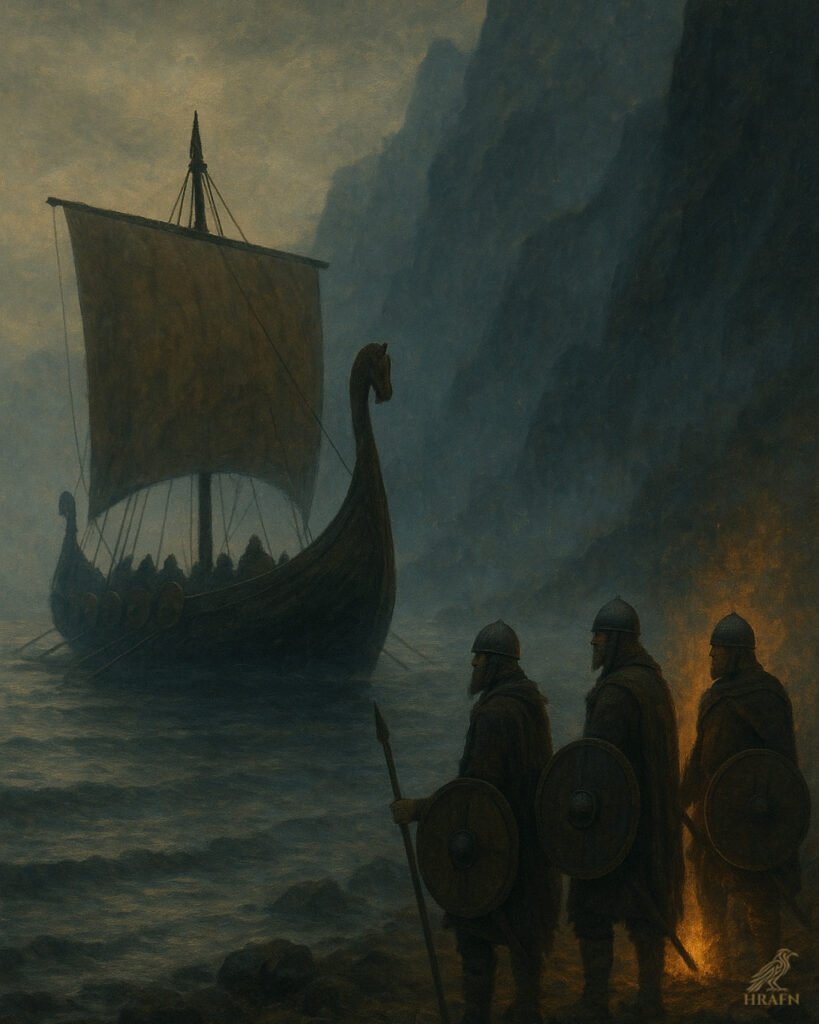
The chronicles tell the bare facts. In the year 865, a pagan army lands on the Isle of Thanet. Two leaders stand at its head: Hingwar and Ubba. They break a peace and overrun Kent. Fourteen years of war follow. In November 866, York falls. The monk Abbo of Fleury later writes that this “Hingwar” had King Edmund beheaded. After that, the English sources fall silent about him.
But in Ireland, the name resurfaces. The annals there report: in 873, Imar dies, king of the Norsemen over all of Ireland and Britain. He becomes the founding father of a dynasty that would go on to rule the Irish Sea. Was Hingwar of England the same man as Imar of Ireland? Historians consider it likely – though it is not proven.
The Saga Fills the Gaps
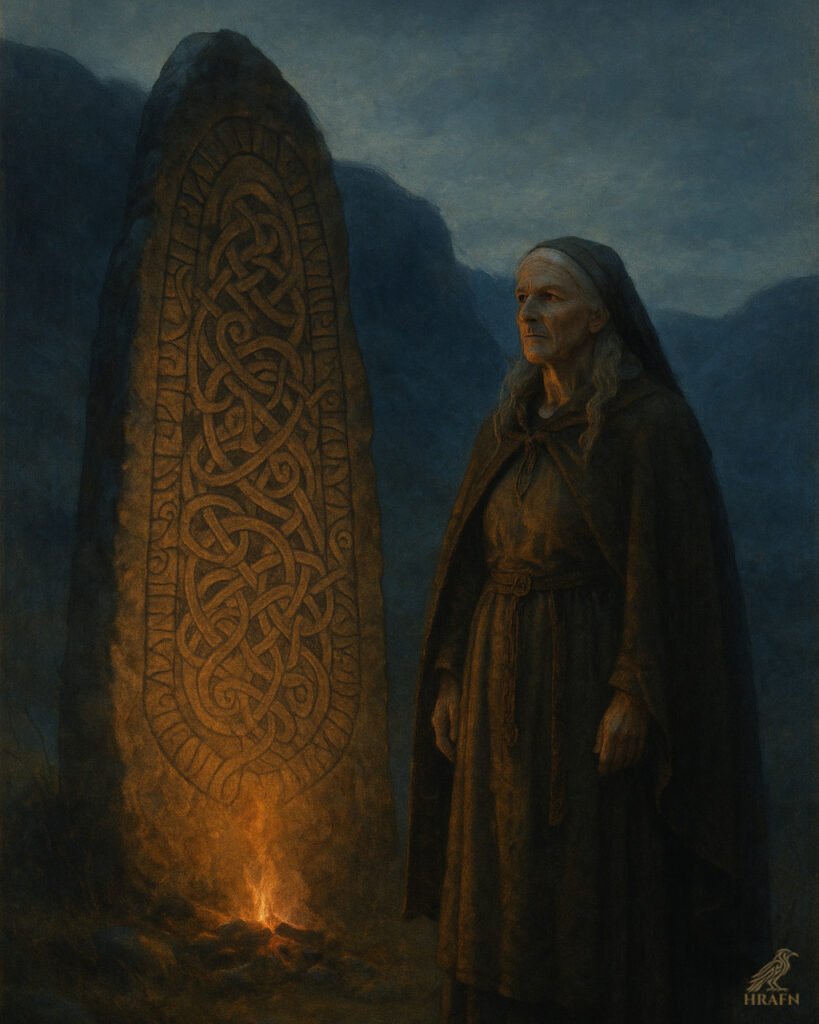
Where the annals fall silent, the saga speaks. It tells of Aslaug, the seeress. She asked her husband Ragnar for three nights’ patience before he touched her. Ragnar did not wait. The result: her son is born with bones as soft as cartilage. He is carried on a shield – and still leads his brothers. It is not his strength that makes him a leader, but his mind.
Around the year 1300, the Ragnarssona thattr is composed, a saga about Ragnar’s sons. It tells how Ivar kills the English king Aelle: with the so-called blood eagle, a gruesome ritual in which the victim’s ribs are severed from the spine. Scholars strongly doubt this ever actually happened. It is likely a later embellishment of the saga.
The Ui Imair – Ivar’s Legacy in Dublin and York
Whatever is saga embellishment, one thing can be established from the documentary record: after Imar’s death in 873, a dynasty that claimed descent from him ruled for generations – the Irish annals call them the Ui Imair, “descendants of Imar.” At times they controlled both the Kingdom of Dublin and the Kingdom of York, and with it a network of trade and power centers on both sides of the Irish Sea. Grandsons and great-grandsons such as Sigtrygg Silkbeard and Olaf Guthfrithson shaped the history of northern England and Ireland well into the 10th century – a legacy that extends far beyond the legendary figure of Ivar and can be documented independently of the sagas.
A Grave Without a Name
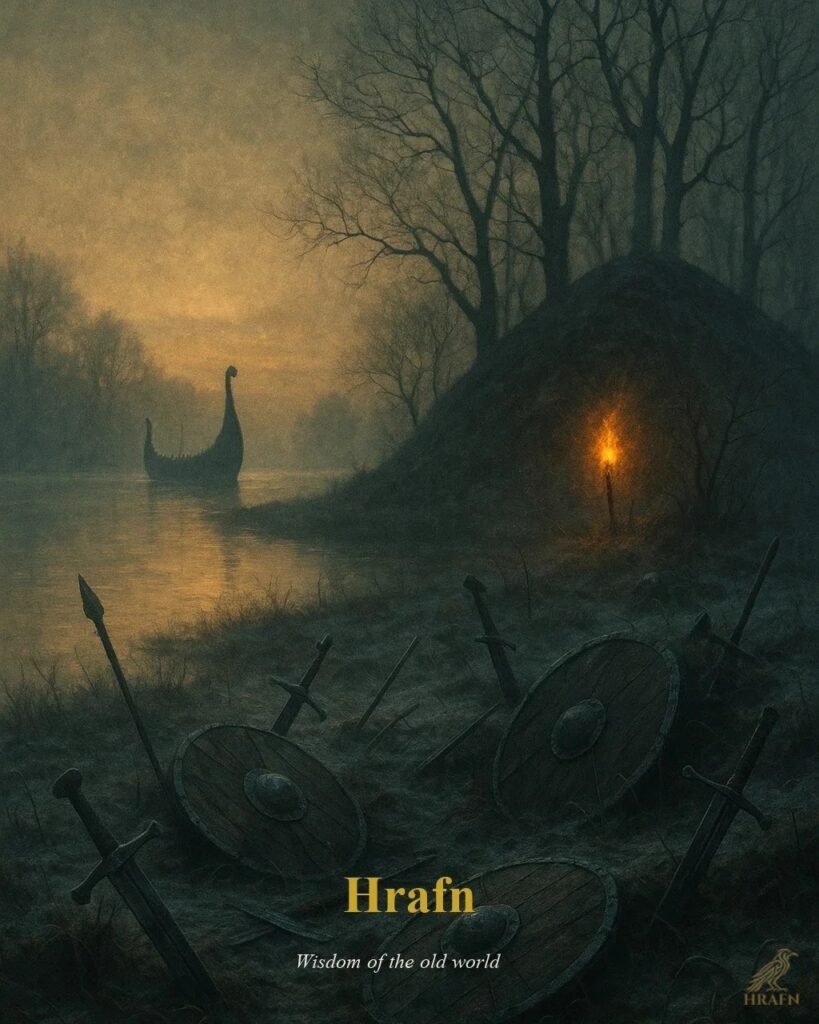
In Repton, England, the Viking army wintered in the year 873. Archaeologists found a mound there containing the bones of at least 264 dead. Does Ivar himself lie beneath it? No one knows. The ground stays silent where the story speaks.
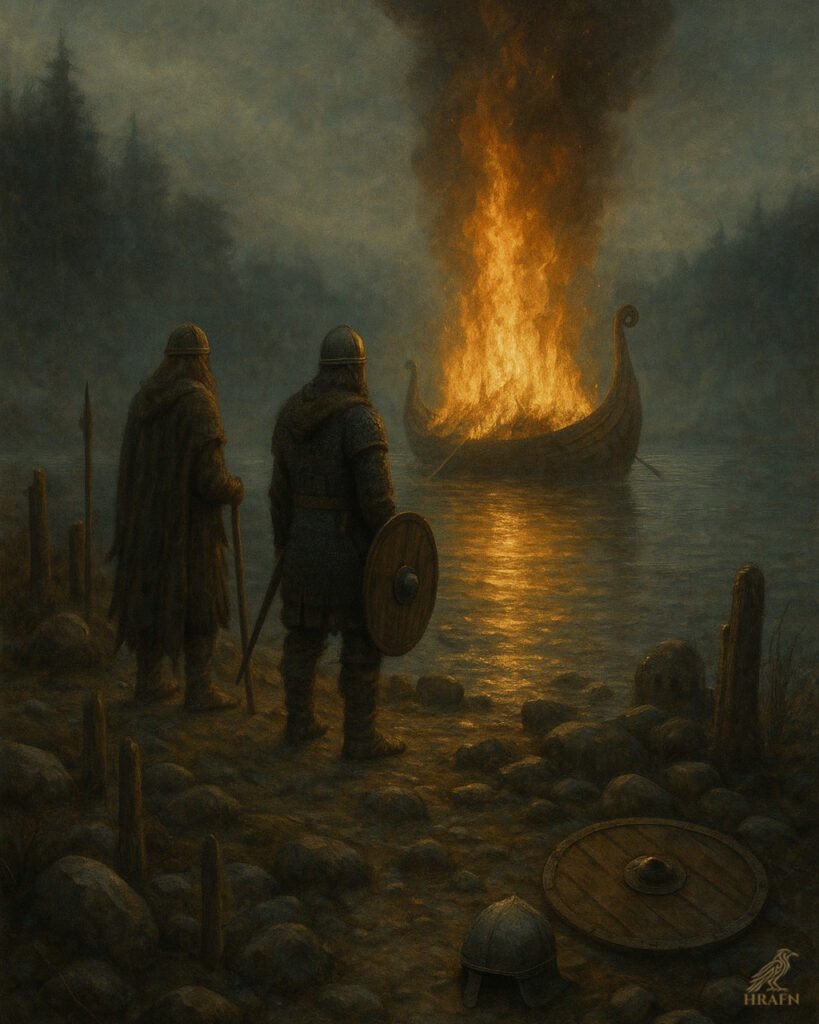
In the end, an image remains that still holds up today: a body without stability, a will without limits. It was not his bones that made Ivar strong. It was the mind that led him through kingdoms – and let him survive, long after his body had already passed away.
In the game: what Assassin’s Creed Valhalla makes of this is examined in our historical check.
Sources
The earliest evidence on Ivar comes from contemporary English and Irish chronicles: the Anglo-Saxon Chronicle, Abbo of Fleury’s Passio Sancti Eadmundi (c. 985), and the Irish annals, especially the Annals of Ulster, which record Imar’s death in 873. The legends about his origin, his byname, and his revenge on the English king Aelle, by contrast, come from considerably later Icelandic saga texts such as the Ragnarssona thattr (c. 1300), which combine a core of historical fact with literary embellishment. The Ui Imair dynasty in Dublin and York can be documented independently across several generations through the historical record.