Ragnar Lodbrok
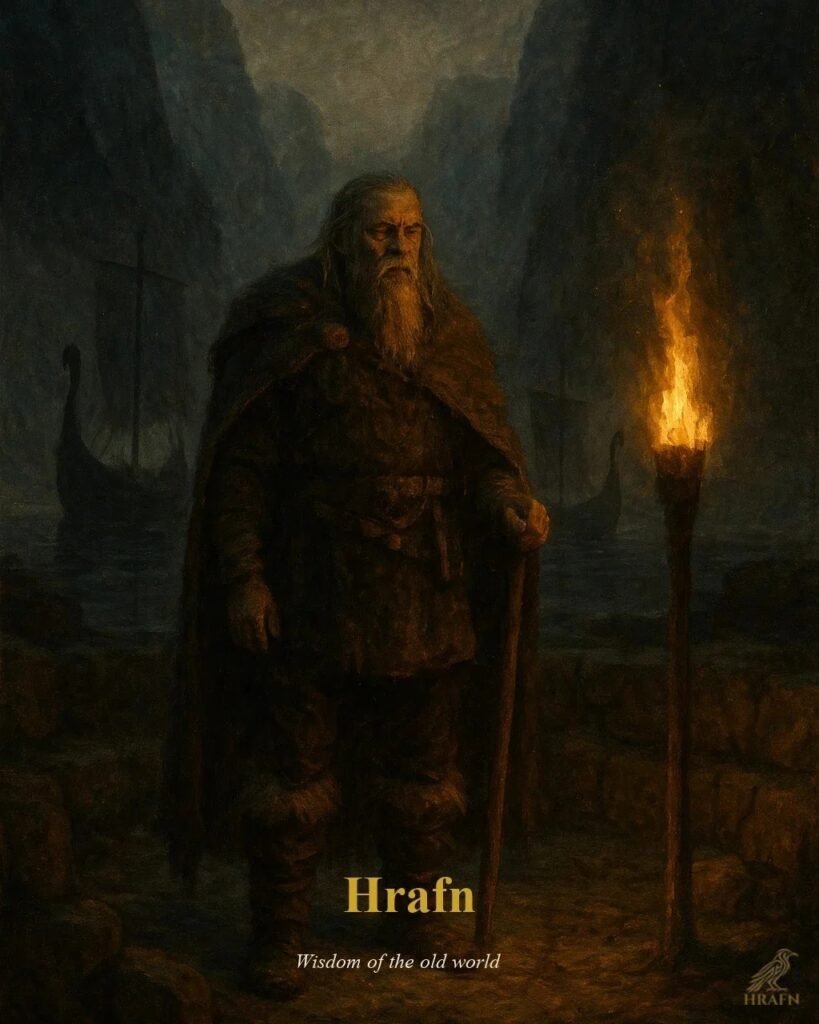
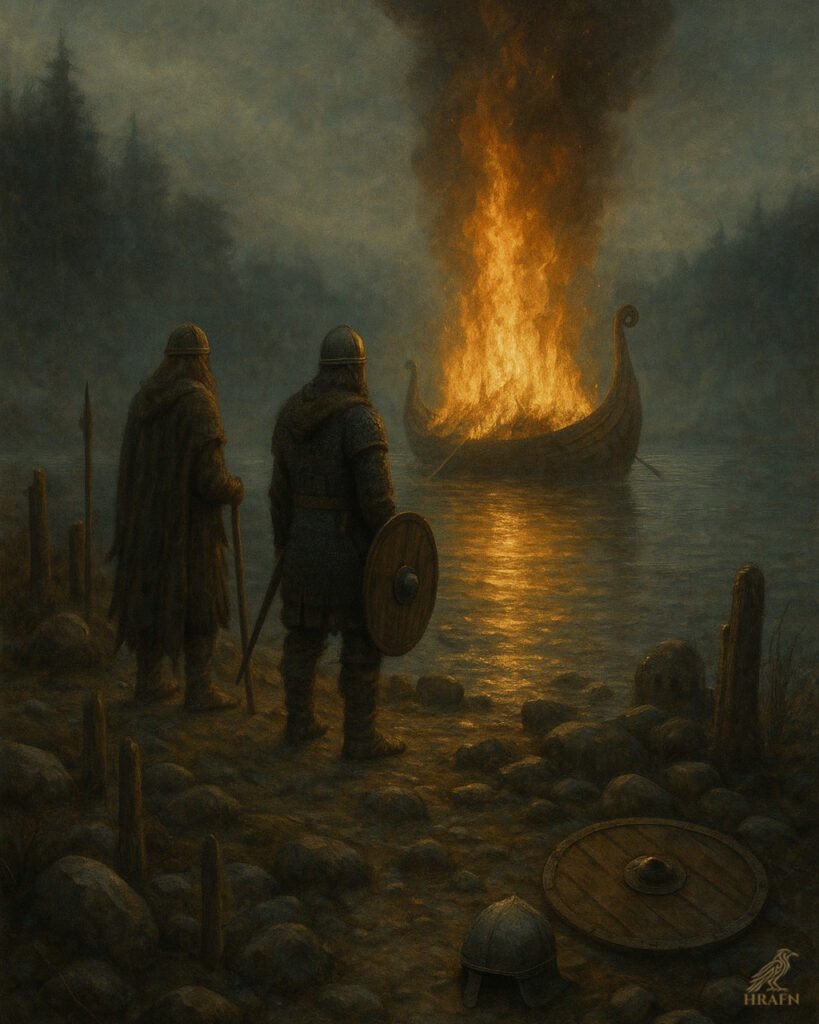
A man lies in a pit of snakes. Poison burns in his veins. And he laughs. So ends the saga of Ragnar Lodbrok–if it even tells the story of a single man at all. To this day, no one is certain he really existed.
What the Chronicles Confirm
Frankish monks wrote in the 9th century of a Viking leader named Reginherus. He attacked Paris in 845. King Charles the Bald paid him a huge sum of silver to make him withdraw. The Anglo-Saxon Chronicle names two similar figures around 840: Ragnall and Reginherus.
One thing is certain: his sons really lived. Ivar, Halfdan, Björn Ironside–real warriors, real traces in real sources. Perhaps Ragnar himself was never a single man. Perhaps several warriors merged into one figure, into one blade, onto which posterity fixed a single name.
What the Saga Tells
The legend paints a different picture. Ragnar kills a serpent to win the princess Þóra’s hand. In doing so, he wears trousers of wolf hide, boiled in pitch–hence his nickname Loðbrók, “shaggy breeches.”
The Icelandic saga from the 13th century carries the story further: of his second wife Áslaug, of his sons, of his death at the hands of King Ælla. The historian Saxo Grammaticus has him end exactly where the imagery is strongest–in the snake pit.
Ragnar’s Sons
The medieval text Ragnarssona þáttr–”The Tale of Ragnar’s Sons”–names them one by one: Ivar the Boneless, cunning and, according to legend, without bones in his body. Björn Ironside, whose skin no blade could pierce. Halfdan, who fought in England. And in some versions, Sigurd Snake-in-the-Eye, marked from birth by a serpent pattern in his iris.
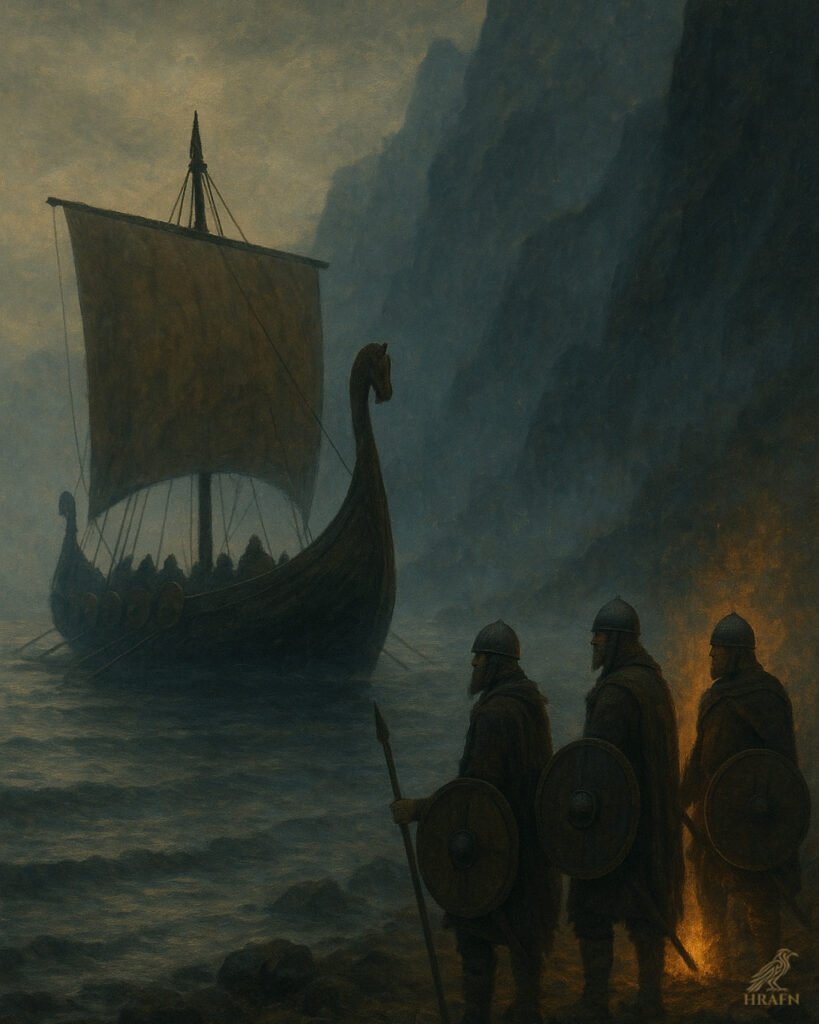
Together, the brothers are said to have led the Great Heathen Army that landed in England in 865–an invasion the Anglo-Saxon Chronicle records in detail, year by year, kingdom by kingdom. Ivar is linked to the death of King Edmund of East Anglia. Björn is said to have raided as far as the Mediterranean.
Here the sources grow firmer underfoot. While Ragnar himself dissolves into legend, his sons step into documented history. Perhaps that is the truest shape of the story: not one great king, but a dynasty whose sons outgrew their father’s shadow–and outlasted it in the written record.
The Last Song
In the 12th century the Krákumál emerges, a death song in the style of the skalds. Across 29 stanzas, the dying Ragnar looks back on his life. He doesn’t face death with fear. He laughs in its face. There’s no defiance in it–only bearing. The bearing of a man who knows: deeds outlast the body.
The TV series “Vikings” picked up exactly these last words and built great television moments from them. Good entertainment–but not history. The real Ragnar remains what he always was: a shadow between fact and saga. And precisely because of that, he will never die.
Sources
The historical core of Ragnar Lodbrok rests on the Annales Bertiniani, which record the 845 siege of Paris by the Viking leader Reginherus. The saga material comes chiefly from the Ragnarssona þáttr (13th century), the death song Krákumál (12th century), and Saxo Grammaticus’s Gesta Danorum, Book IX (around 1200 AD). Sagas frequently blend historical fact with legendary embellishment, so individual details–including Ragnar’s exact identity–remain disputed among scholars.