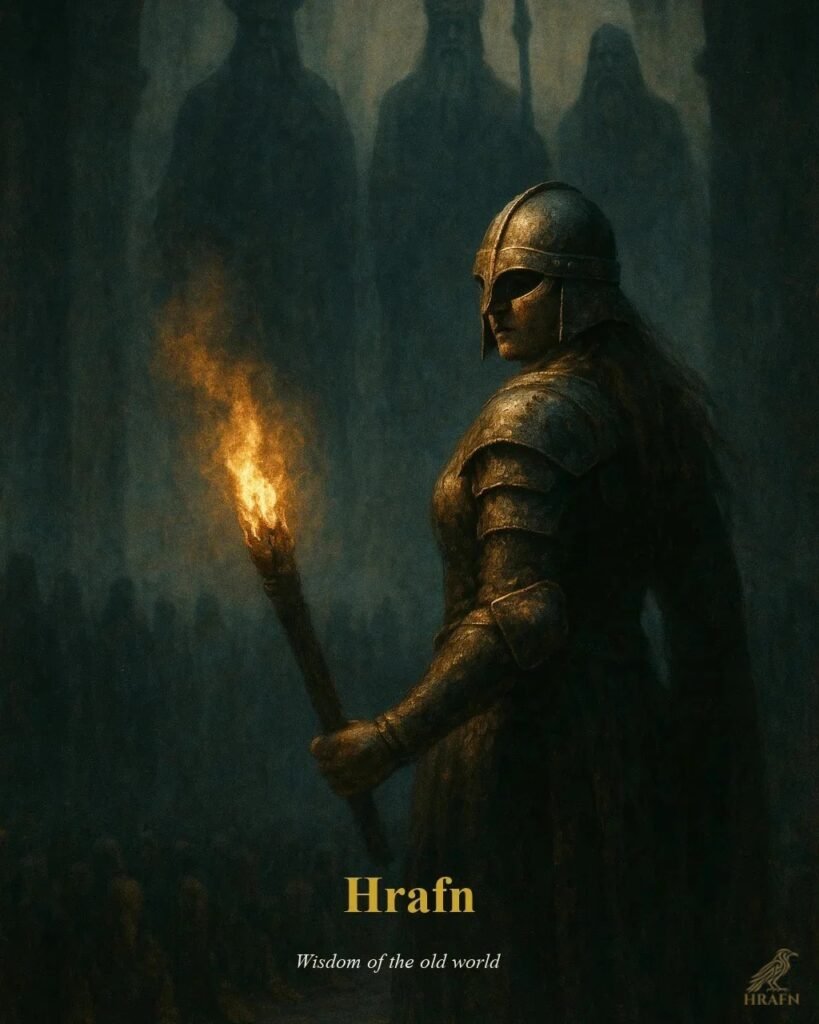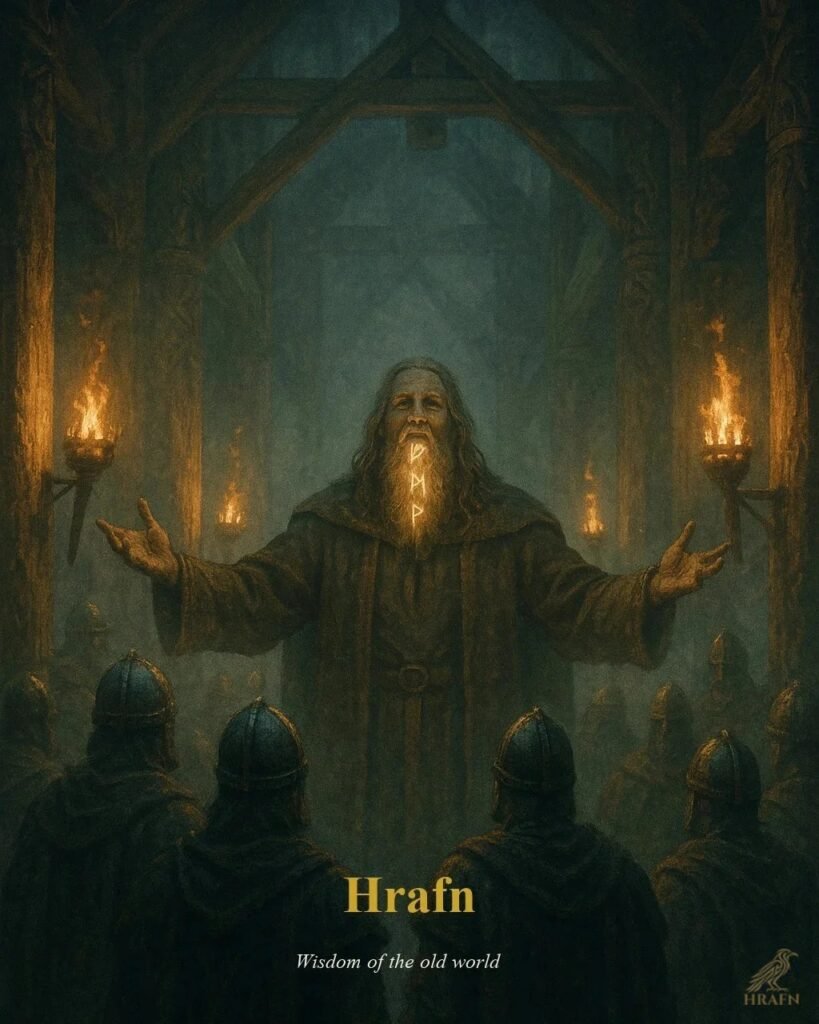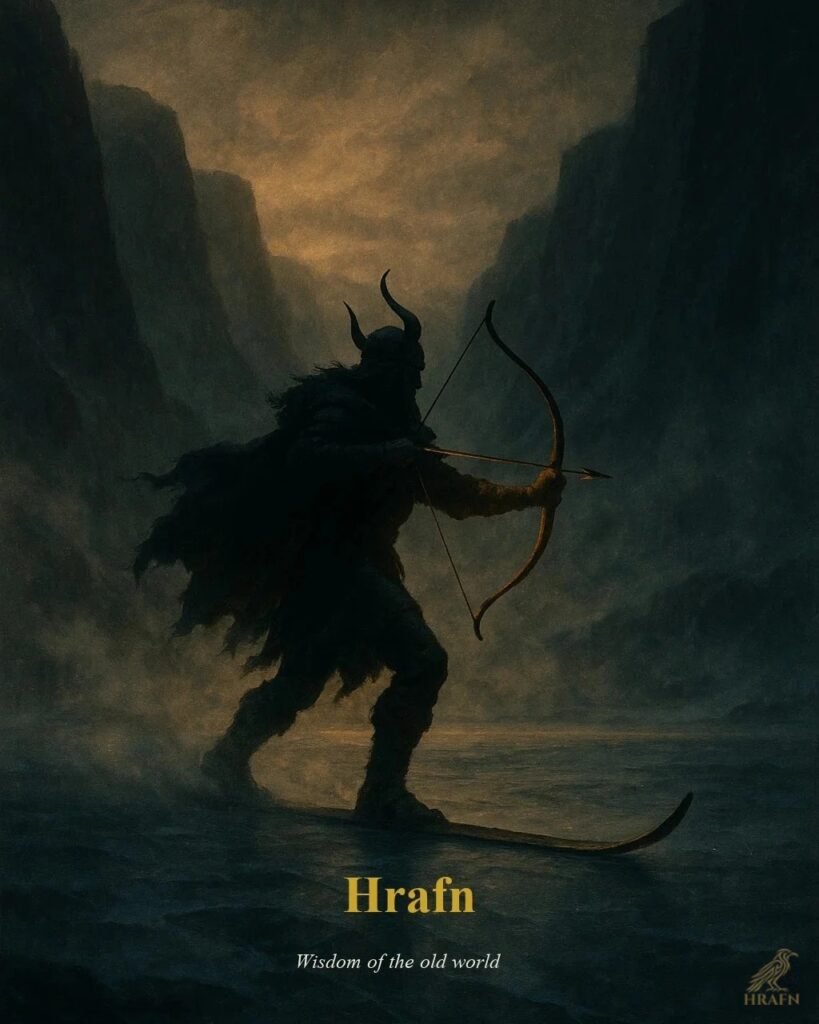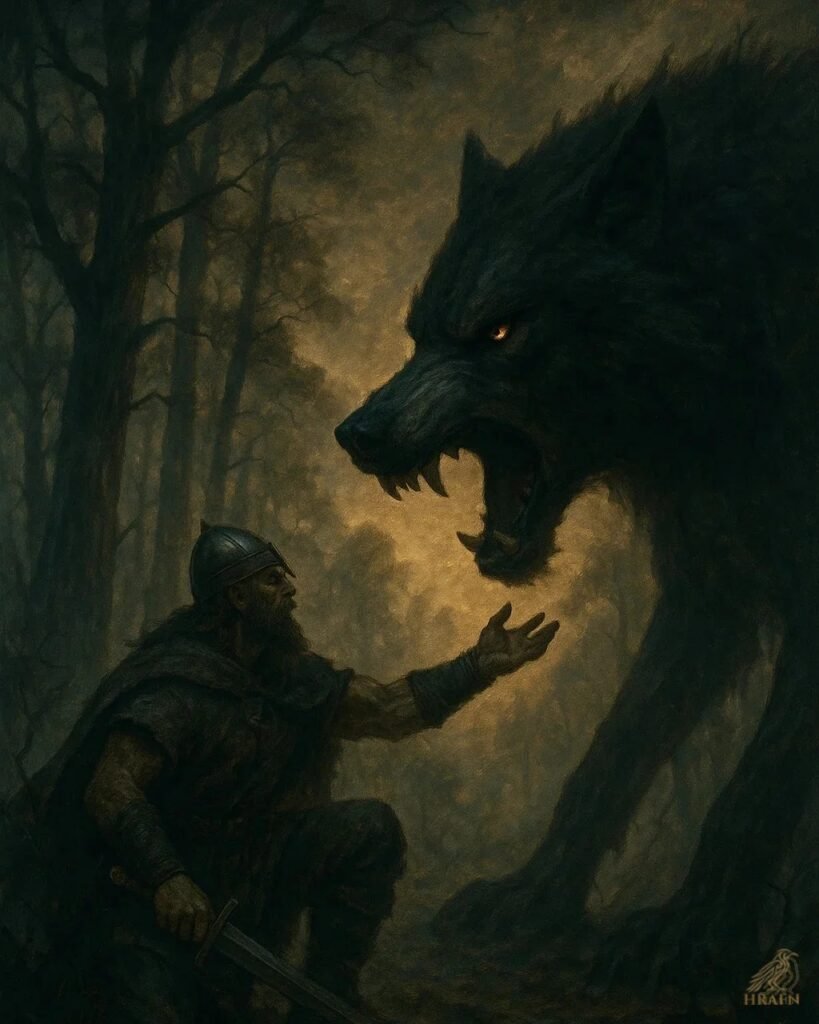
Imagine your hands suddenly trembling. Your hair turning gray, overnight. That is exactly what happens to the gods of Asgard when their most important keeper is taken from them.
Idun guards golden apples. Whoever eats them stays young. Without this fruit, even the mightiest of the Aesir age like ordinary mortals. Idun holds the life of the gods in her hands – literally.
Origin
According to the Prose Edda, Idun is the elder daughter of the dwarf Ivaldi – a lineage that sets her apart from most other goddesses and lends her a certain closeness to the subterranean world of the dwarves, whose craftsmanship and knowledge of hidden things are legendary. How she came to join the ranks of the Aesir the sources do not say – only that she eventually became one of the most indispensable figures in Asgard as keeper of the apples of youth. (Source: Snorri Sturluson, Prose Edda, Skáldskaparmál)
The Abduction That Paralyzes Asgard
The giant Thjazi wants this power for himself. He doesn’t reach for a sword, he reaches for trickery. According to the skaldic poem Haustlöng, it all began when Odin, Loki, and Hoenir stopped to roast an ox on a journey. An eagle – Thjazi in disguise – perched in the tree above them and kept the meat from cooking, until Loki angrily struck at him with a pole. The pole stuck fast to both Loki and the eagle, and Thjazi flew off with Loki dangling helplessly beneath him. Only when Loki, in agony, swore to lure Idun out of Asgard did the giant let him go.
Loki then lures Idun out of Asgard with a trap, telling her of supposedly even more beautiful apples she should bring along to compare. No sooner is she in the forest than Thjazi, in eagle form, seizes her and carries her off to his realm.
The effect is immediate. The gods age. Their strength fades, their faces line with wrinkles. Asgard stands at the edge of ruin, and no one can stop it – not yet. (Source: Þjóðólfr of Hvinir, Haustlöng; Snorri Sturluson, Prose Edda, Skáldskaparmál)
Loki’s Rescue
Loki bears the blame for the abduction. So it falls to him to end it. He transforms into a falcon, flies into Thjazi’s realm, and brings Idun back to Asgard. With her, youth returns. The gods breathe easier, their strength awakening anew. Thjazi, pursuing Idun and Loki in eagle form, is killed with fire by the gods at the wall of Asgard. His daughter Skadi then comes to Asgard armed, demanding compensation – a story closely tied to Idun’s abduction, even if it is told elsewhere in full.
Lokasenna – The Accusation of Betrayal
At the drinking feast in Lokasenna, Loki spares Idun no mockery either. He accuses her of being the most man-crazy of all women, for having thrown her arms around the slayer of her brother – a jab that likely refers to the circumstances surrounding Thjazi’s death, though its exact meaning remains disputed among scholars. Idun rejects the accusation and defends herself, but Loki does not relent. The scene shows that even the keeper of eternal youth is not safe from Loki’s tongue. (Source: Poetic Edda, Lokasenna)
Memory and Poetry
Idun is the wife of Bragi, the god of poetry. This bond is no coincidence. Bragi creates with words, he composes, he brings forth the new. Idun, on the other hand, preserves. She holds onto what would otherwise fade. Together they represent two forces that need each other: creation and preservation.
We know this interplay today too. We are constantly creating something new – and easily forget what sustains us. Idun reminds us: without preservation, there is no lasting growth.
Sources
The fullest and oldest account of Idun’s abduction appears in the skaldic poem Haustlöng by Þjóðólfr of Hvinir (9th/10th century), which Snorri Sturluson retells and contextualizes in his Prose Edda (Skáldskaparmál, 13th century). The accusation in Lokasenna comes from the Poetic Edda. Since this material was only written down centuries after Scandinavia’s Christianization, contradictions and later influences in the sources cannot be ruled out.