Imagine someone cutting off your hair while you sleep. That is exactly what happens to Sif. Overnight. Without warning.
Sif is Thor’s wife. Her hair makes her famous: golden, fine, like ripe grain before the harvest. But Loki, the trickster among the gods, knows no limits. Out of pure spite, he cuts off her hair. Just like that.
Family
The sources are almost entirely silent about Sif’s own origins – her father is never named. What is known is her role as the wife of Thor and, according to the Prose Edda, as the mother of Þrúð (Thrud), whose name means “strength.” Through her son Ullr, she is also the stepmother of one of the quietest yet most respected of the Aesir. (Source: Snorri Sturluson, Prose Edda, Skáldskaparmál)
Thor’s Fury and the Flight to the Dwarves
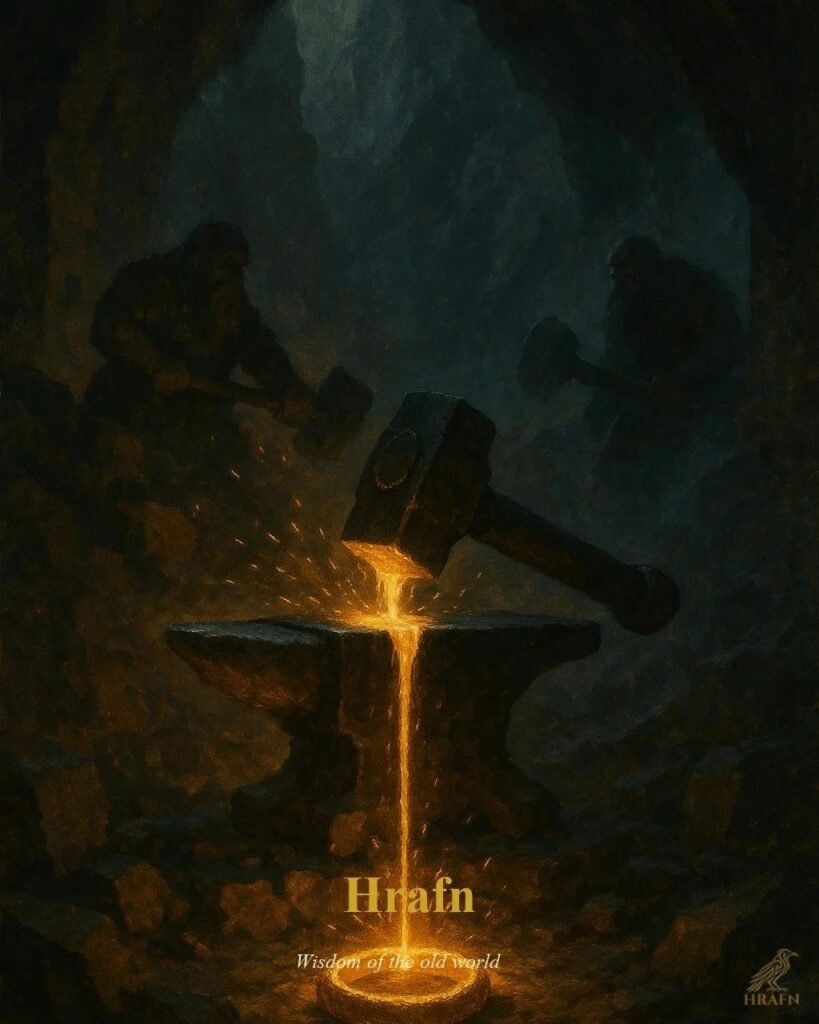
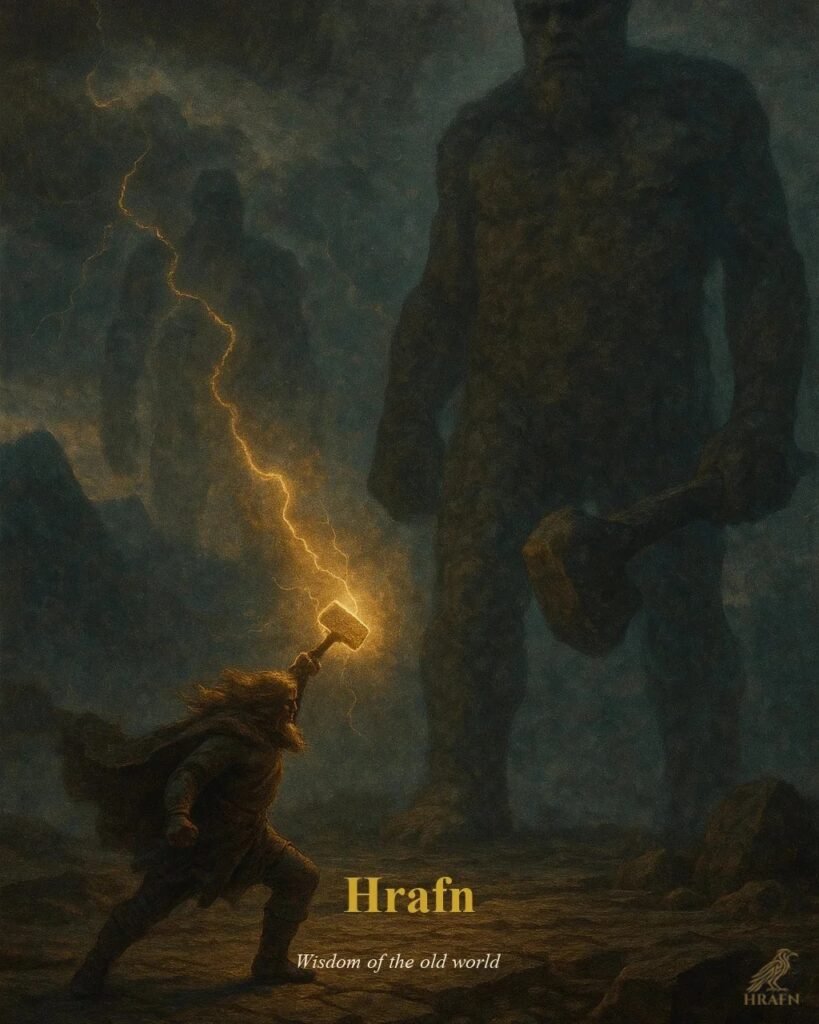
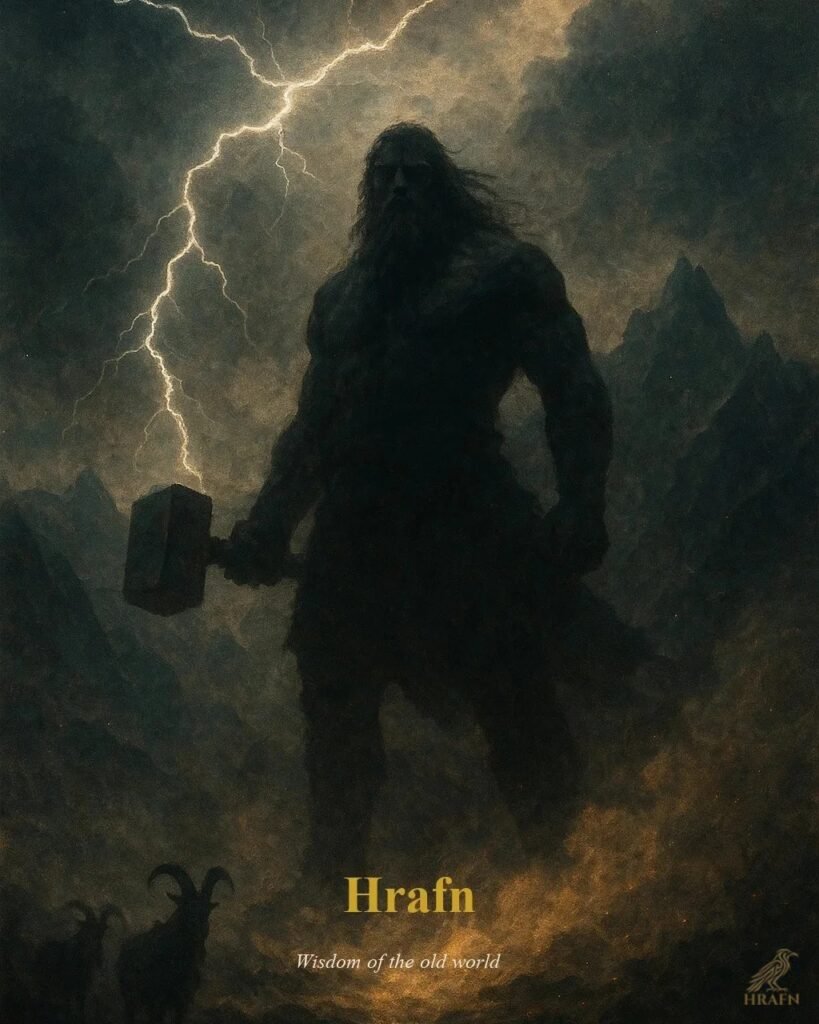
Thor rages. He seizes Loki and threatens him with death. No empty words – Thor means it. Loki senses the danger and acts fast. He sets off for the dwarves, the finest smiths of the Nine Worlds. They are to forge new hair. Made of real gold.
The Dwarves’ Forging Contest
The sons of Ivaldi deliver not only new hair for Sif but two further marvels besides: the ship Skidbladnir and the spear Gungnir. Loki, however, always looking for trouble, then wagers his own head with the dwarf Brokkr that his brother Eitri could never forge even better treasures. While Eitri works the bellows, Loki turns into a fly and bites Brokkr on the eyelid to sabotage the work. Even so, three masterpieces emerge: the golden boar Gullinbursti, the ring Draupnir – and Mjölnir, Thor’s hammer, whose handle turns out only slightly shorter than planned because of the disruption. The gods declare Mjölnir the most valuable of all the gifts. Loki loses the wager but escapes punishment through a trick: Brokkr may have his head, but not touch his neck. (Source: Snorri Sturluson, Prose Edda, Skáldskaparmál)
The dwarves deliver. Their work is more than beautiful metal: the hair grows on its own, just like real hair on Sif’s head. Thor’s fury fades. Sif wears her golden splendor once more.
Lokasenna – Loki’s Accusation
At the drinking feast told in Lokasenna, Loki does not spare Sif from his mockery either. He claims to have secretly seduced her while Thor was away – an accusation Sif tries to defuse by pouring Loki a drink and asking for peace. Only Thor’s return, and his threat with Mjölnir, finally silences Loki’s taunts. (Source: Poetic Edda, Lokasenna)
Some read this hair as an image of the cornfields swaying in the wind – golden, alive, always in motion. A small story, yet it says much: of revenge and reparation, of loss and re-creation. Themes that still accompany us today.
Sources
The story of the severed hair and the dwarves’ forging contest comes from Snorri Sturluson’s Prose Edda (Skáldskaparmál, 13th century). Loki’s accusation against Sif is recorded in the Eddic poem Lokasenna. Since these texts were only written down centuries after Scandinavia’s Christianization, contradictions and later influences in the sources cannot be ruled out.