The Treasures of the Dwarves
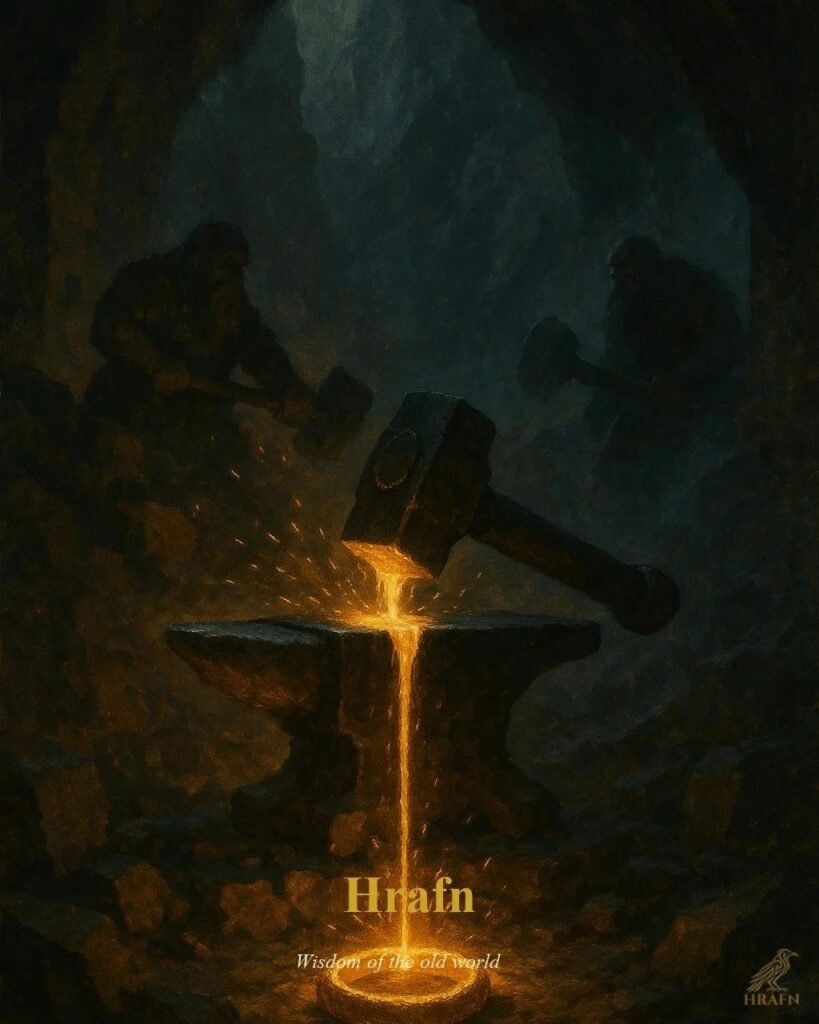
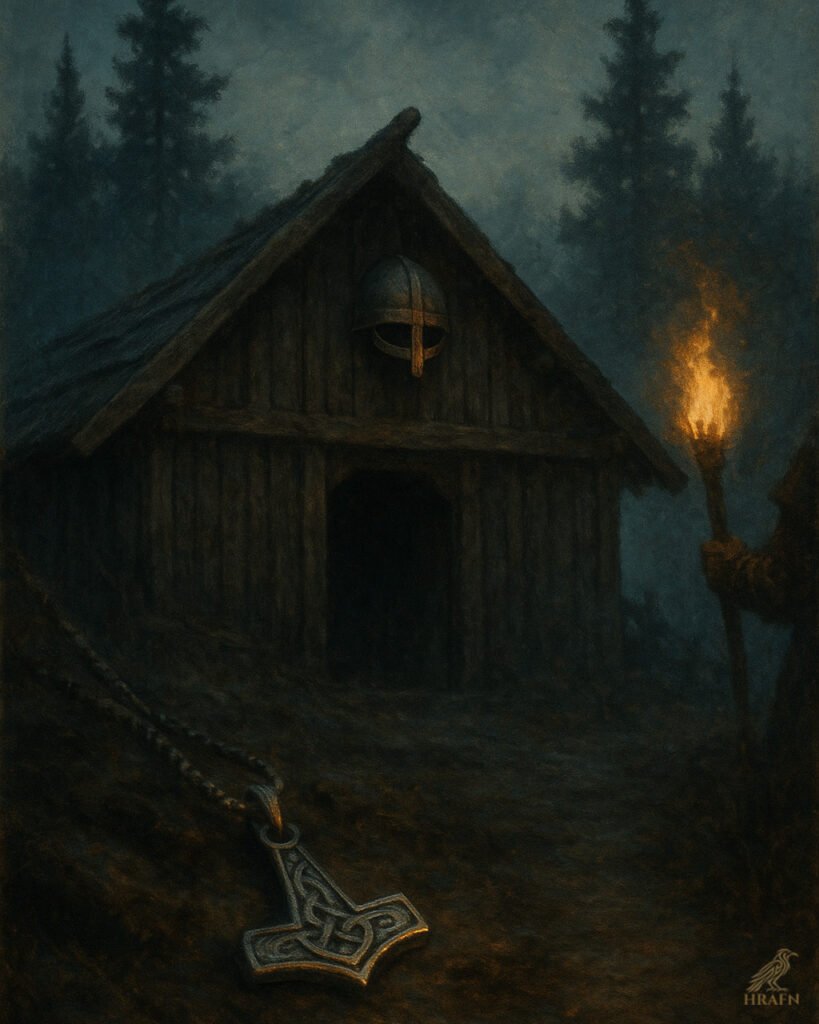
A hammer with a handle that’s too short counts as the mightiest tool in the world. How does a flaw earn such fame? The answer lies deep underground, where the dwarves forge.
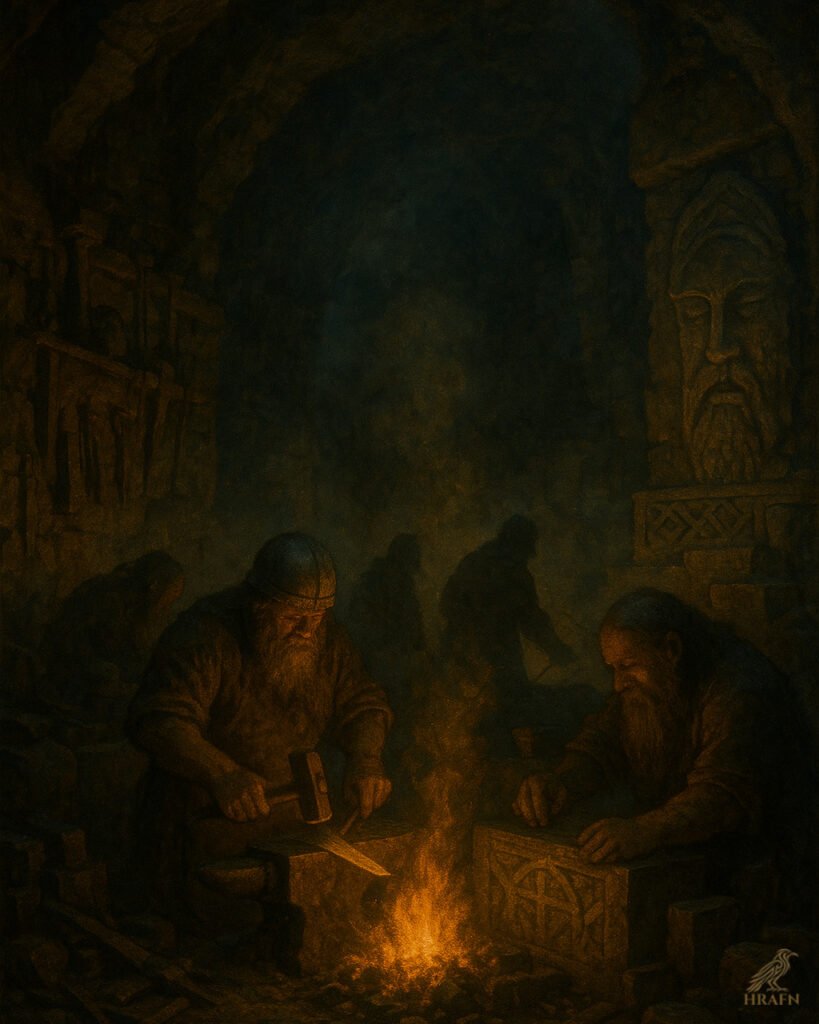
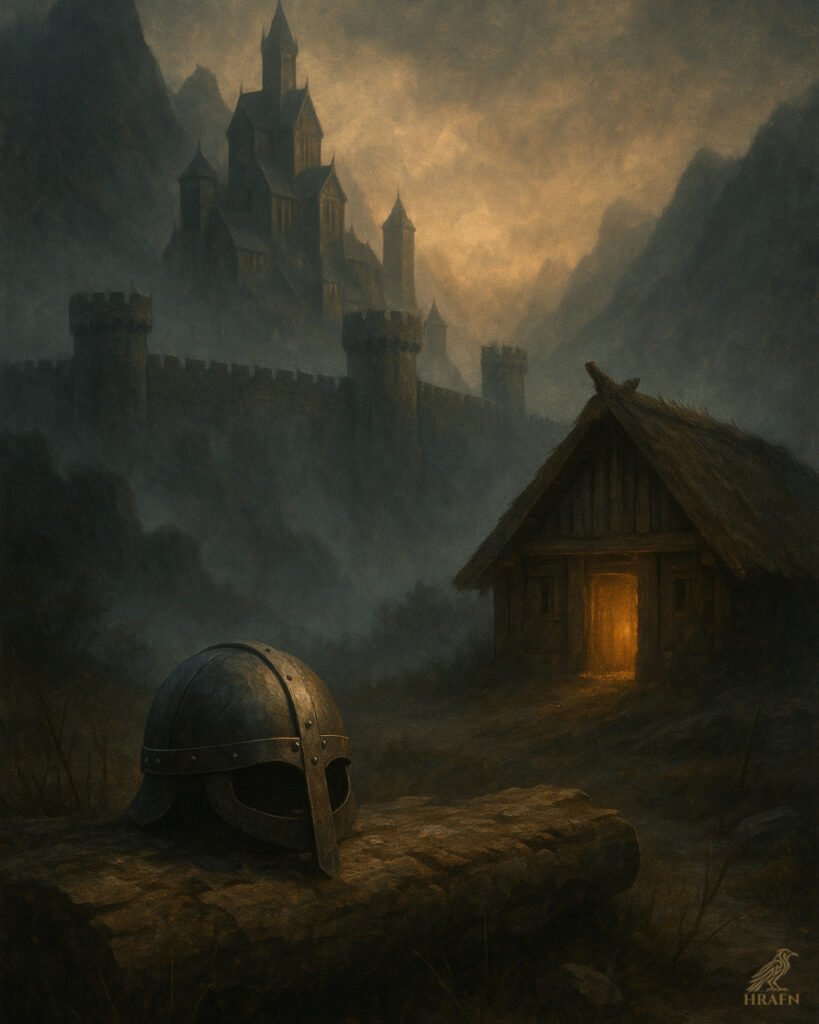
Down there, where no ray of sun reaches, burn the oldest fires in the world. The dwarves dwell in these caves. And whatever power the gods possess, they owe to foreign hands–the hands of these smiths.
An Outrage Sets Everything in Motion
Loki cuts off the goddess Sif’s golden hair. A brazen act. Thor rages and wants to break every bone in his body. Loki flees–down to the sons of Ivaldi, skilled smiths in the darkness. They save him with three wonders: hair of living gold for Sif, the ship Skíðblaðnir for Freyr, and Gungnir, Odin’s unerring spear.
A Bet That Costs a Head
Loki is saved–but success makes him reckless. He bets his own head. His opponent: the dwarf Brokkr. The claim: that Brokkr’s brother Eitri could never forge anything better.
Eitri steps up to the fire. Brokkr works the bellows. Then a fly stings–again and again, painful, distracting. Even so, three treasures rise from the embers and the torment: Gullinbursti, a boar of pure gold. Draupnir, a ring of strange power. And Mjölnir, the hammer–its handle left too short. The fly has left its mark.
The gods pass judgment. They choose Mjölnir as the greatest of all six treasures, despite its flaw–or precisely because of it. Loki loses the bet. But he saves himself with a trick: he wagered his head, he says, not his neck. So the dwarves cannot kill him. Instead, they sew his mouth shut.
Works That Defy Reason
Every ninth night, Draupnir drips eight new rings–all of the same weight as the original. A ring that multiplies itself.
And Gleipnir, the fetter that will later bind the wolf Fenrir? The dwarves weave it from six things that don’t exist at all: a cat’s footfall, a woman’s beard, a mountain’s roots, a bear’s sinews, a fish’s breath, a bird’s spittle. From the impossible arises the strongest thing the world knows.
Perfection doesn’t grow in peace. It arises under pressure, under stings, in the middle of disruption. Mjölnir’s short handle still reminds us today: even from a flaw, the greatest strength can grow.
Sources
This tale has been passed down mainly through the Poetic Edda and Snorri Sturluson’s Prose Edda. As with all orally transmitted myths, the material was only written down centuries after it originated, so later influences and differing versions cannot be ruled out.