Skaði’s Vengeance and the Choice by Feet
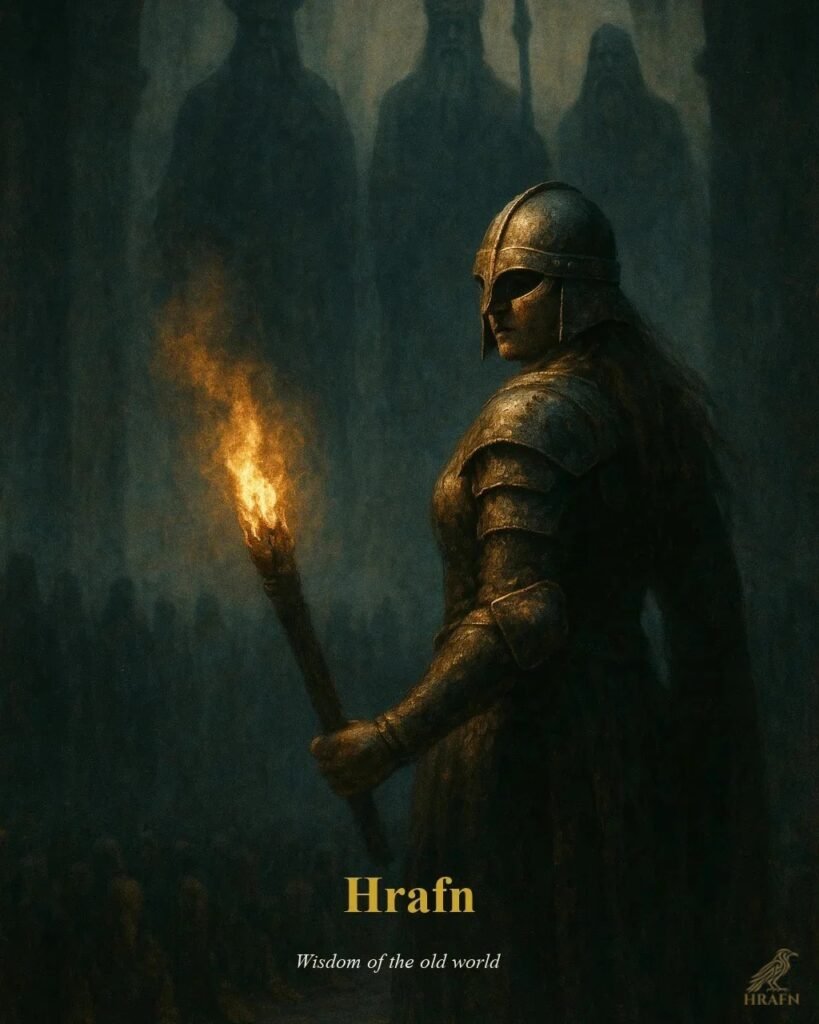
A lone woman dons armor, straps on weapons, and marches by herself into the fortress of her enemies. The gods themselves step back. No saga exaggerates here – this is the story of Skadi.
Her father Thjazi was dead. The Aesir, the Norse family of gods around Odin and Thor, had slain him. His crime: he had abducted Idunn, keeper of the golden apples that grant the gods eternal youth. Thjazi’s daughter Skadi took revenge into her own hands.
A Giantess Challenges the Gods
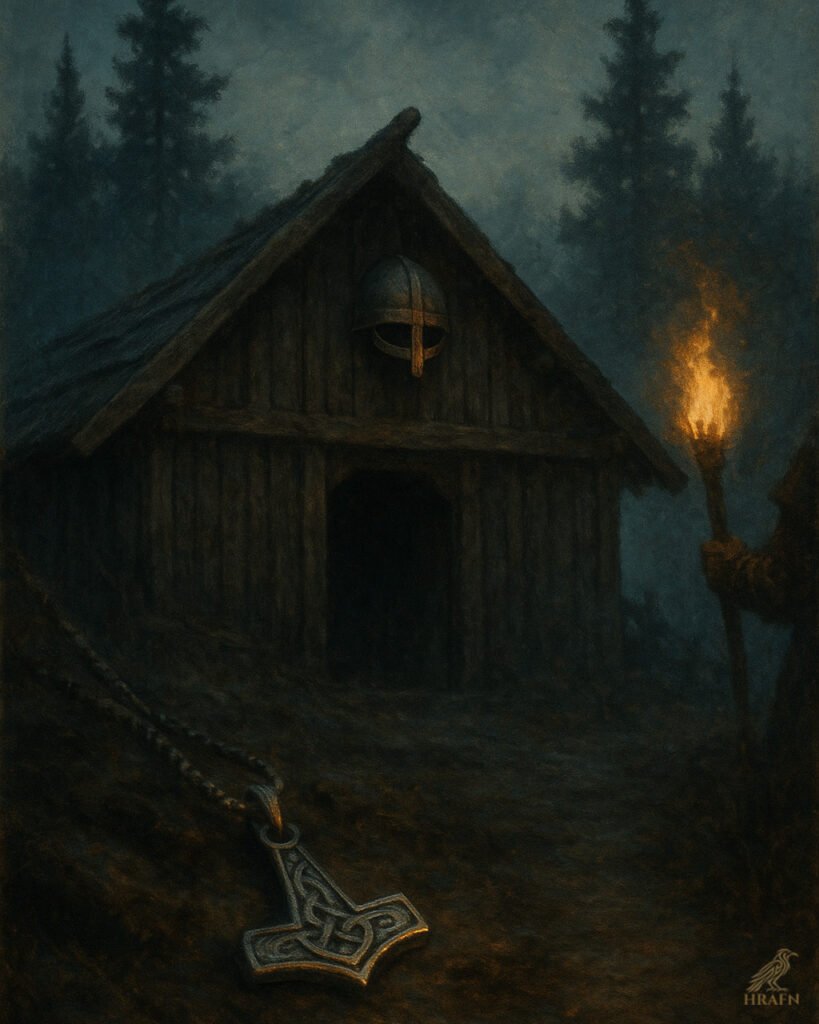
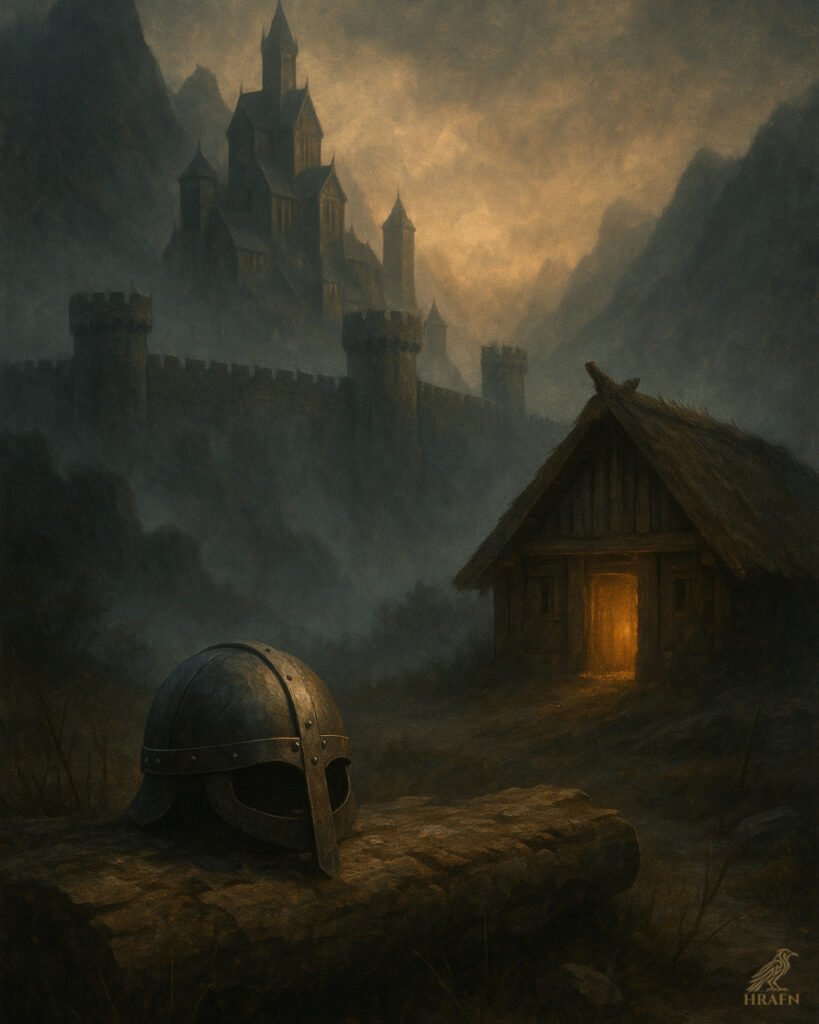
Skadi put on helmet and mail – armor of iron rings. She took up every weapon she could carry and marched alone to Asgard, the seat of the gods. She did not plead. She came armed for battle.
And the gods? They did not draw their swords. Even Thor, the strongest among them, offered her peace. That is the true core of this story: a single giantess forced the entire family of gods to the negotiating table.
Skadi set two conditions. First: a husband from among the Aesir. Second: she wanted to laugh. Only whoever made her laugh had paid their share of the debt.
The Trap in the Choice
The gods met the first condition – but with a catch. Skadi could choose, but she was only allowed to see the men’s feet. Everything else stayed hidden.
She spotted the most beautiful pair of feet in the whole hall and thought: that must be Baldr, the most beautiful of all the gods. She was wrong. When the curtain fell, Njord stood before her, lord of the sea.
Scholar Margaret Clunies Ross offers a down-to-earth explanation: Njord’s feet were washed by the waves day after day. No feet in Asgard were cleaner than his.
Loki Makes Her Laugh
The second condition remained. Loki, the trickster among the gods, took on the task. He tied a rope to a billy goat – and to his own flesh. What followed was a grotesque tug-of-war, accompanied by Loki’s wild screaming. In the end, he tumbled into Skadi’s lap.
Then she laughed. The grieving daughter, armed for war, burst into laughter. Odin settled the account for good: he cast Thjazi’s eyes into the sky. As stars, they have shone over the world ever since.
A Marriage by the Coast – and in the Mountains
The marriage between Skadi and Njord did not last. It broke apart over something as simple as sound. Njord could not bear the howling of wolves in the mountains. Skadi, in turn, hated the cry of gulls on the coast. Both withdrew to their own worlds.
Skadi returned to the mountains. There she hunted on skis, bow in hand. From then on, she was called Ondurdis – the ski goddess.
Her story carries a harsh lesson: you can force everything you demand and still end up with the wrong choice. Because sometimes we are only shown part of the picture – and we choose with half the knowledge.
Sources
This tale has been passed down mainly through the Poetic Edda and Snorri Sturluson’s Prose Edda. As with all orally transmitted myths, the material was only written down centuries after it originated, so later influences and differing versions cannot be ruled out.